The Music Never Stopped

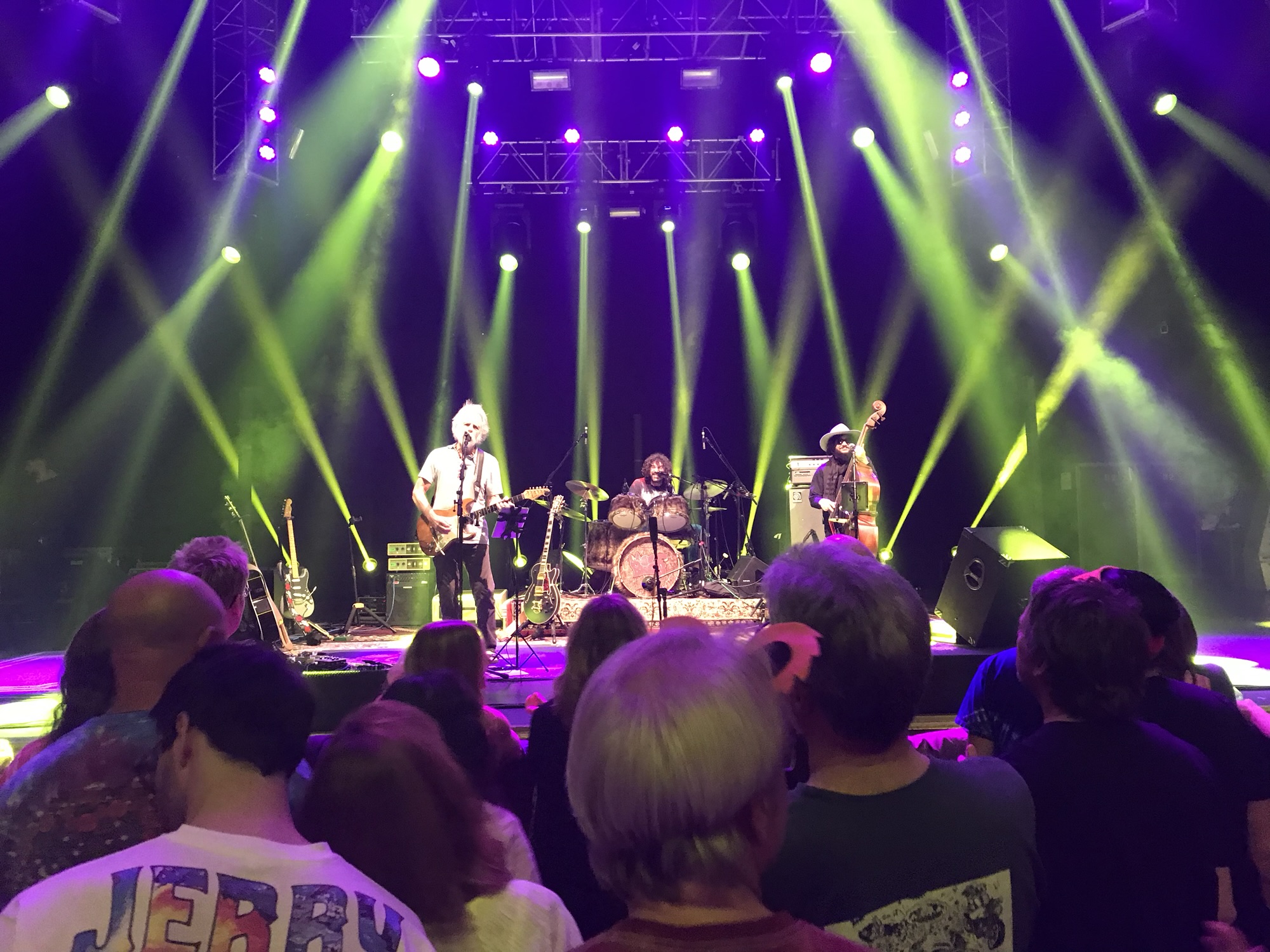
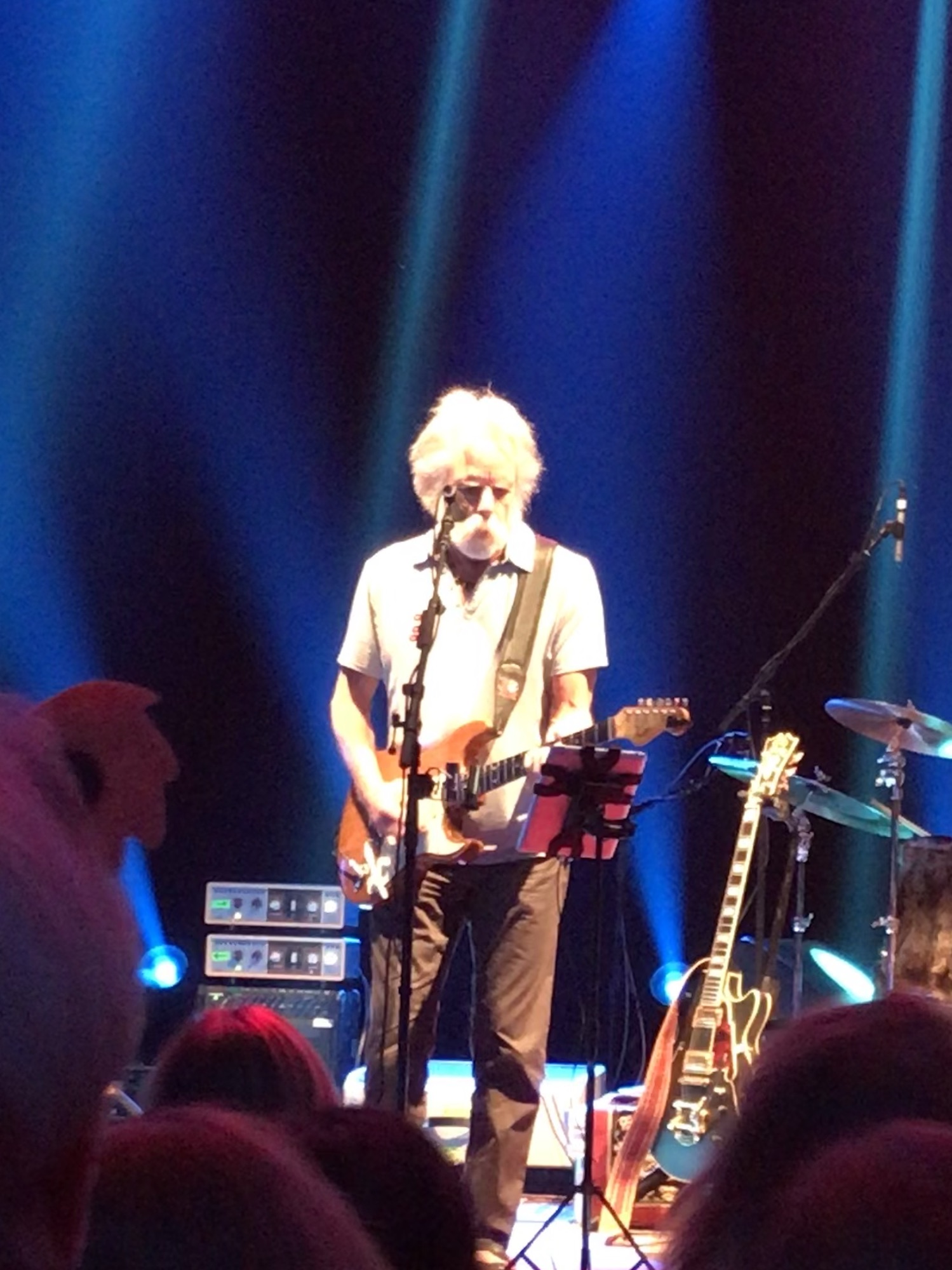
Bob Weir at Playing in the Sand,2/17/2018, photo by Beverly Hennessy Summa

It’s the Monday after Bob Weir’s passing, and this is the first chance I’ve had to be alone and process this loss. I was in Boston with my husband and daughter, who had an audition at a local college, and we were just about to sit down to have dinner together, when my oldest son sent a text and broke the news.  The restaurant was loud and busy with a boisterous bar crowd that let us know there was a tight match between the Packers and the Bears playing out, while my husband and I checked online to confirm the loss. I teared up over the appetizer and fought back the ugly cry as we chatted through dinner, then we walked back to our hotel in the rain.  I spent a few minutes looking over the various posts on Facebook from friends and other members of the Dead community who were posting their tributes and memories on the various Dead community group pages, then I looked at some of my own photos and videos taken from various shows I’d attended over the past several years.
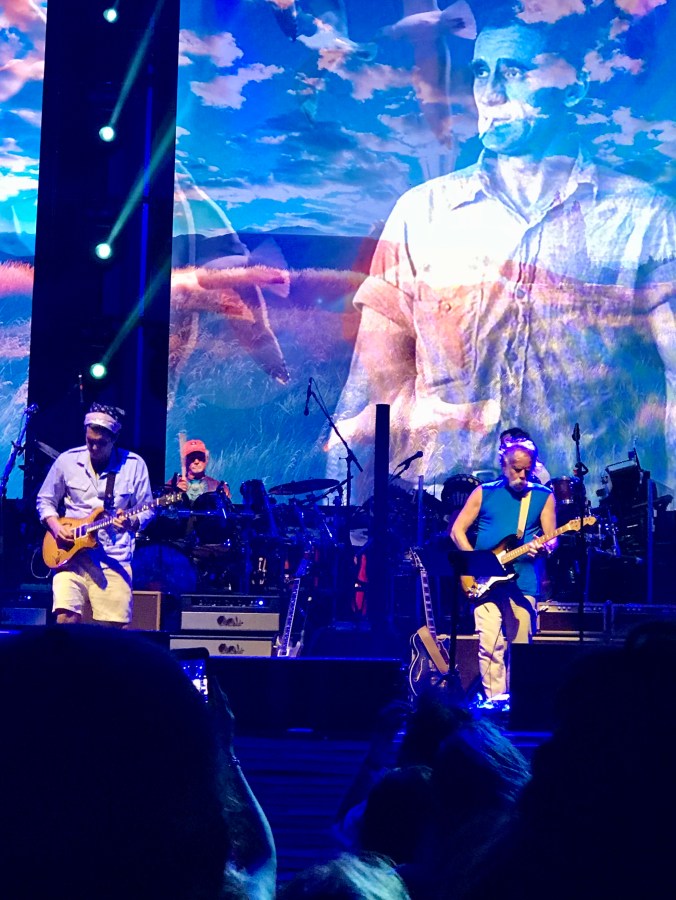
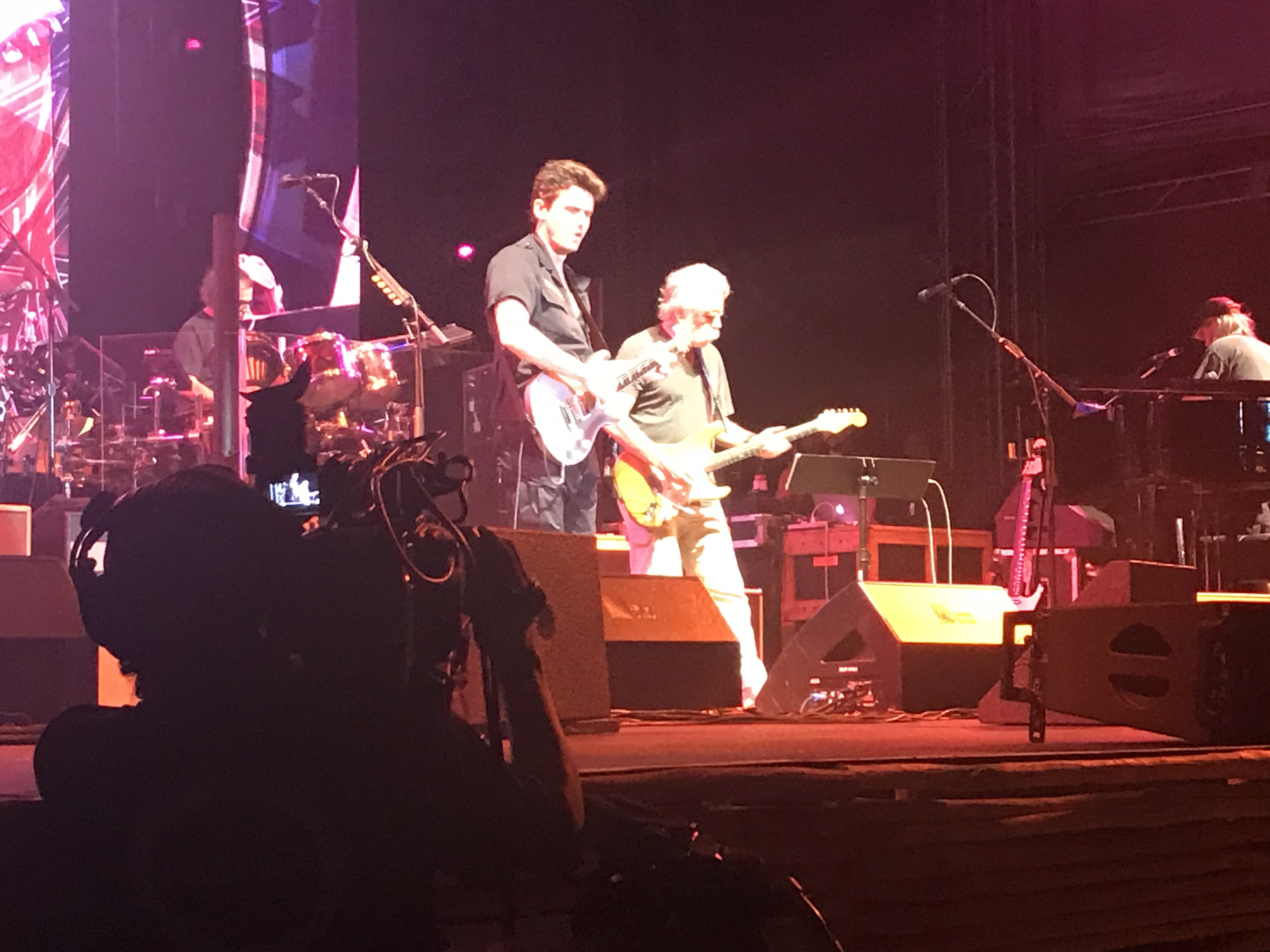
Bob Weir right with John Mayer left, Bill Kreutzmann on drums and image of Neal Cassady in background, photo by Beverly Hennessy Summa

I’ve been a longtime listener of the Dead, and I began to deeply connect with the ethos of the music while I was in college in the 90s, but if I had to pinpoint a date when I first became aware of the band, I might use 1977. Terrapin Station was released in ’77, and my parents had the album. Though I was only about four years old at the time, I was drawn to the album cover’s folksy image of a pair of whimsical turtles playing instruments. I was already becoming familiar with the genre of music, as well as so many other sounds that defined the era. My parents’ music interests that included Neil Young, Dylan, The Beatles, Led Zeppelin, The Rolling Stones and The Doors were organically transferred to me, and only partially and in some cases merely temporarily interrupted by later artists and sounds that came out of the 80s and 90s. The fact that I never saw Jerry has long lingered in my rearview mirror. Highgate ’95 was so close, but it didn’t materialize as clogged roadways and my mother’s overly protective warnings about traffic and the risk of finding myself stranded for days derailed my hastily made plans—my mother didn’t attend Woodstock, but my father, who didn’t weigh in, had.
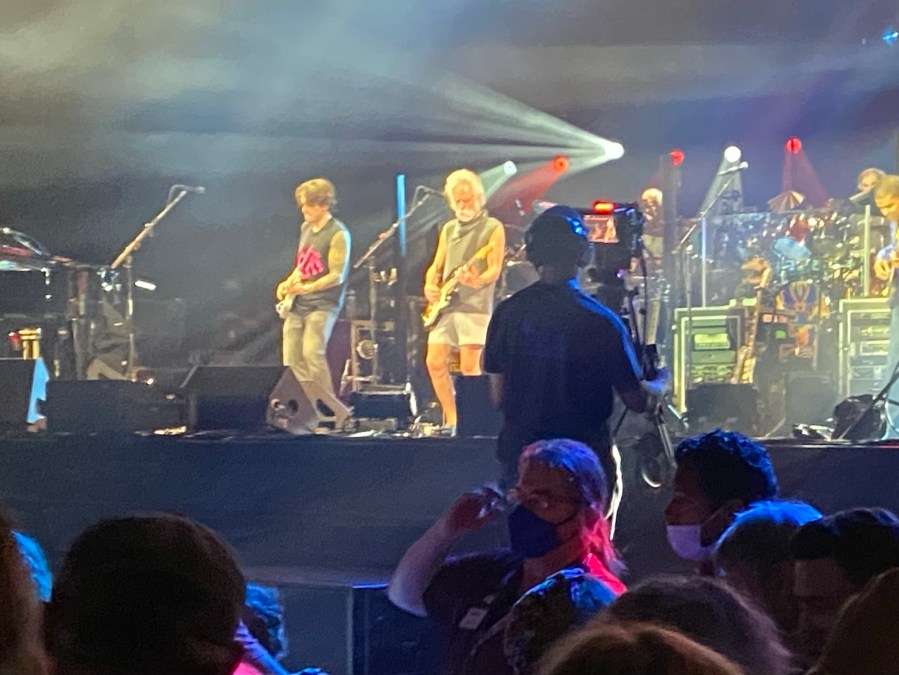
Dead & Company, Citi Field, 8/20/2021 photo by Beverly Hennessy Summa

It was 22 years after Jerry’s passing when at long last I baptized my love for the Dead’s music and attended a Dead & Company show at Citi Field on Saturday, June 24th, 2017.  As we walked into GA and the band launched into the first dreamy and undulating notes of “Jack Straw,” I felt as if we’d arrived on a new planet; our senses hugged by the wonderous and cosmic phenomenon that surrounded us. I was thrilled to be there with my husband and best friend from New Hampshire. I’d separately attended many shows for other artists with both of them over the years, but this was our first Dead show, and I knew from the entranced expressions they both wore, we were collectively feeling the same euphoric energy that seemed to vibrate up through the event flooring under or our feet while the air expanded with so many voices singing along with the band. It was magic. This particular show continues to hold special meaning for me, not only because it was my first time seeing the band, but also because it marked the moment my skeptical husband, who also happens to be a musician, got on the bus and didn’t look back. My husband, who plays guitar and had even played a few Dead tunes over the years with his various bands, never quite got it until that transitional moment. Something new had started that day, and it was the beginning of a journey we would embark on together. Our shared love for music had always been a connection, but as the parents of three young kids and the owners of a small business, our concert-going was mostly sporadic. In the years following that first show, we saw Dead & Company and Bob Weir and the Wolf Bros at least 16 times, even traveling to Mexico for the first two Playing in The Sand multi-night festivals.  While we met many cool people within the community along the way, what we found in each other through the music and our shared experience at these shows brought us closer together. Some of my fondest memories from the past several years are those of my husband and me standing next to each other swaying, just a bit, me more than him, at my favorite venue, The Capitol Theatre, in Port Chester, NY. This venue has long held significant importance both for the band and within the Dead community and has served as a sort of acid test (yes, that is a bad pun) for the band as they experimented with new sounds and debuted a couple of iconic songs there. My husband and I even sprang for a tile that’s installed in the walkway outside of The Cap commemorating one of the great Bob Weir and the Wolf Bros shows we saw in 2018.
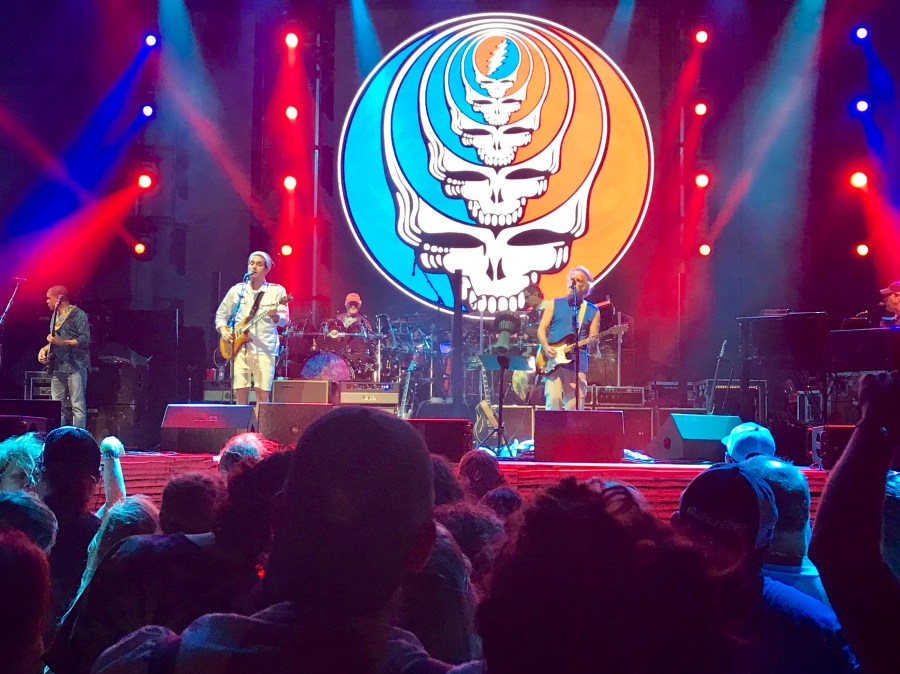
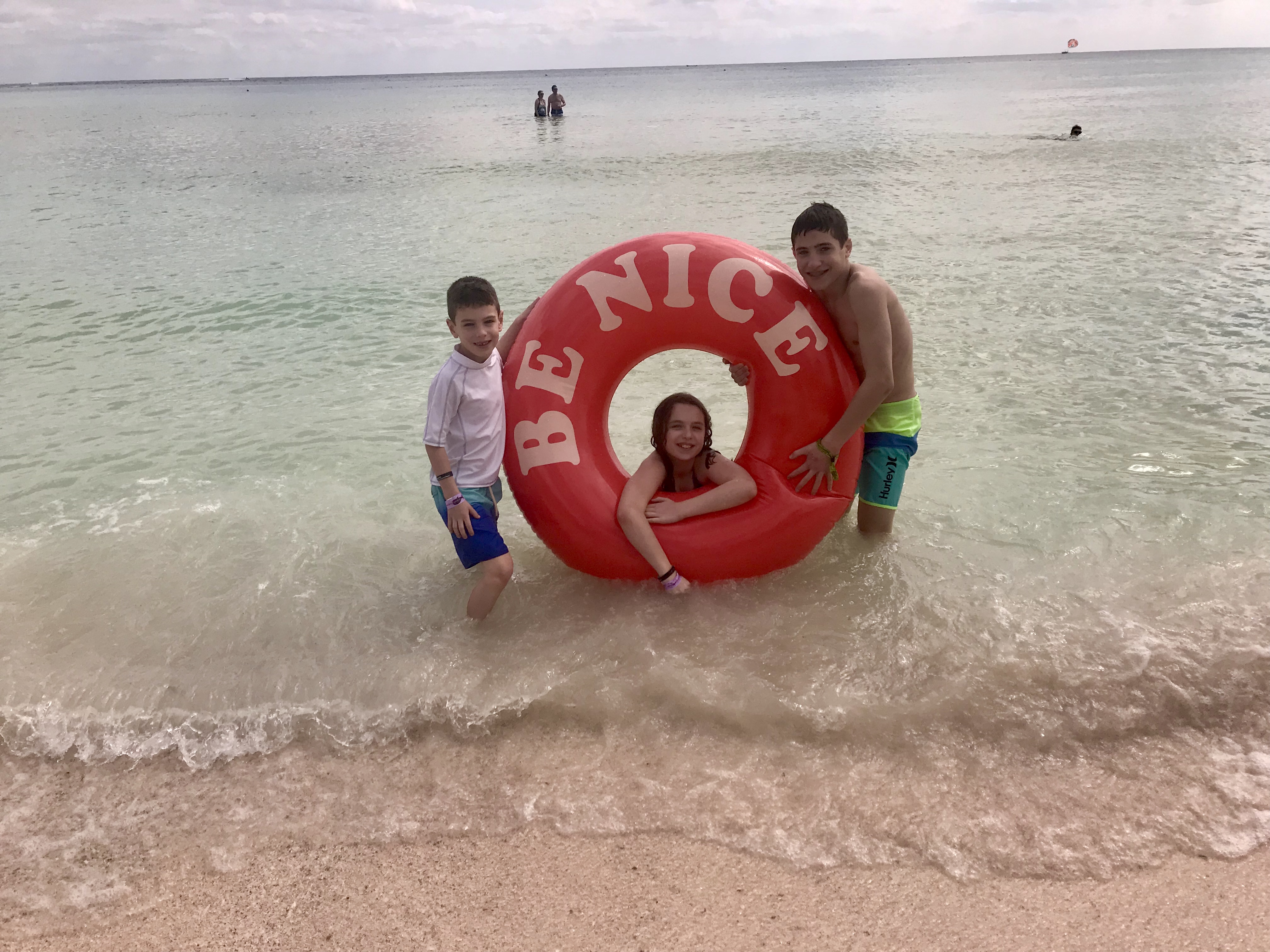
Playing in the Sand 2018, photo by Beverly Hennessy Summa

In 2019 my husband and I had the privilege of taking our three kids to Playing in the Sand in Mexico. The party began at JFK, where my kids started to meet other travelers headed to the shows. By the time we reached the resort, they’d already had a slew of t-shirts, bracelets, stickers and all varieties of keepsakes passed into their waiting hands by so many generous members of the community. All of this kindness was not lost on my kids; they took notice, and while they’re older now, it remains one of the lasting memories they hold to this day.  I’m grateful they had a chance to see the band play live, experience the storytelling of the songs and hear Bobby say those intermediary words at the end of set one, “we’ll be back in just a short bit.”
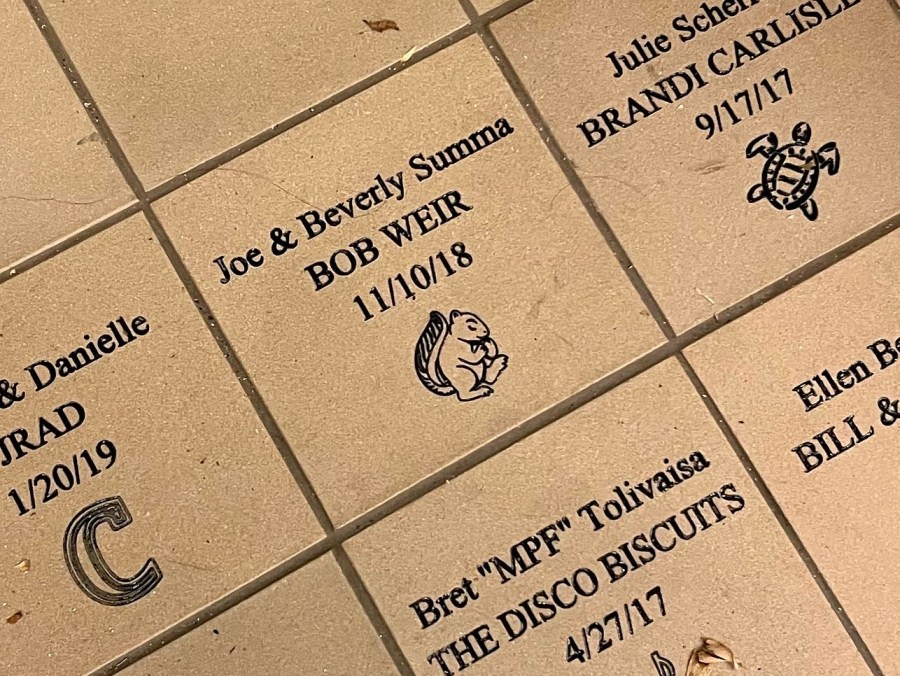
Our tile at The Capitol Theatre

As the song says, “let your life proceed by its own designs.” The songs that have crystallized into the allegorical anthems they are today carry a spiritual message that has guided so many of us through our own personal journeys. These songs will continue on with a life of their own. We can take comfort in the enduring lyrics of songs like Cassidy, a song of both birth and death that Bob wrote with his friend John Perry Barlow.
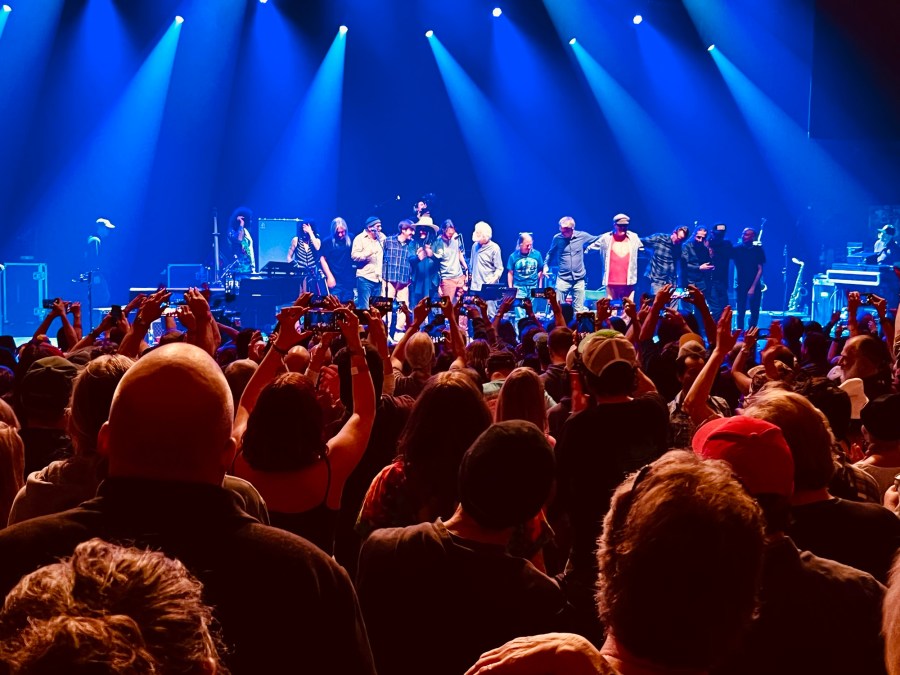
Bob Weir & the Wolfpack, The Capitol Theatre, 2/12/2023 photo by Beverly Hennessy Summa

I’m grateful to have seen Bobby play live as many times as I did, though I do regret that it’s been a few years since our last show in 2023. In the ensuing years we had wanted to see the band again, but life circumstances got in the way, and we put it off. Our final show was June 22nd, 2023. We’d come full circle in that we were once again all together: my husband, my dear friend from NH and me at Citi Field. The last song the band played that night was Brokedown Palace. Fare thee well, Bobby. Thanks for the memories. Thank you for a real good time.
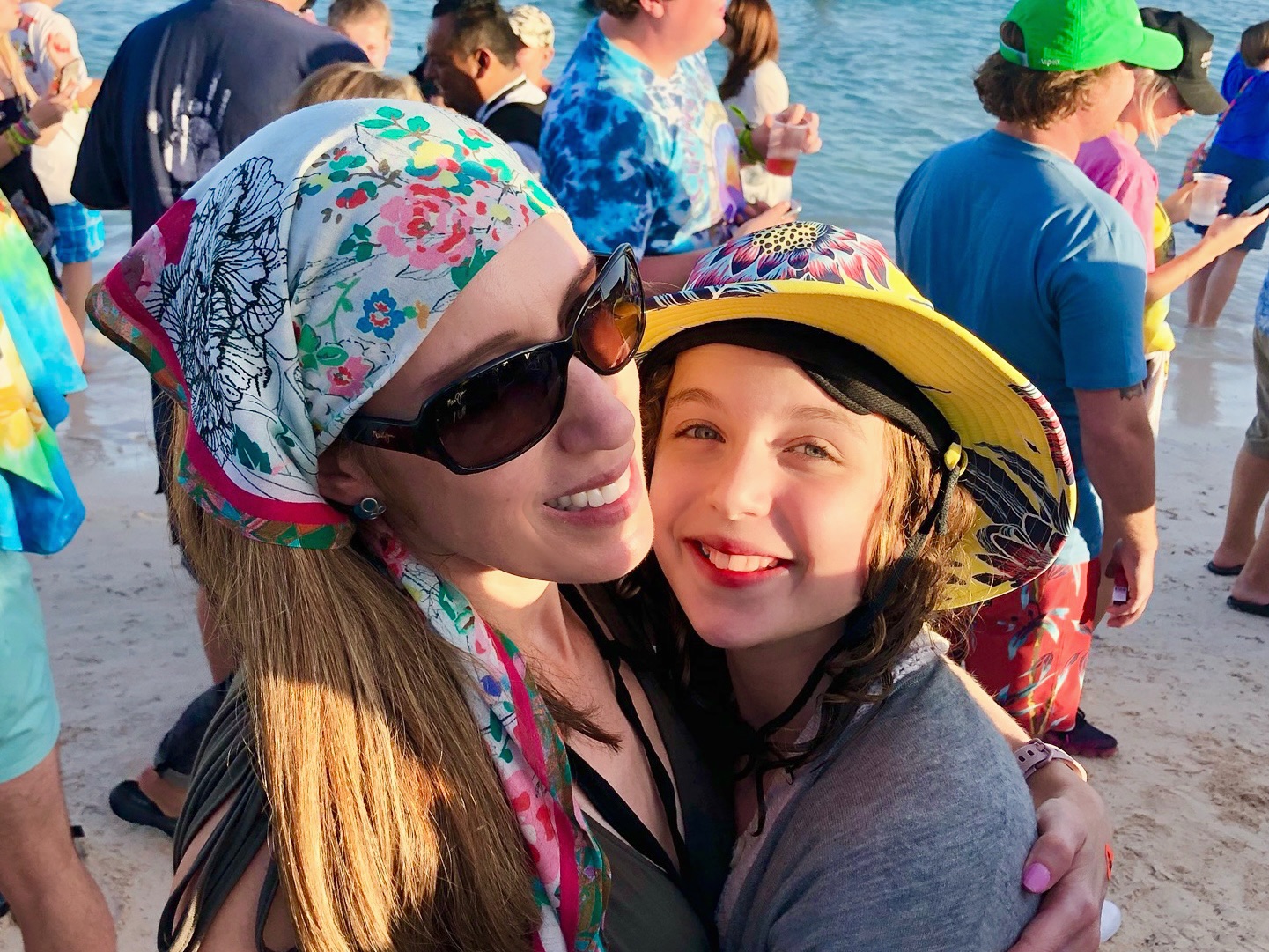
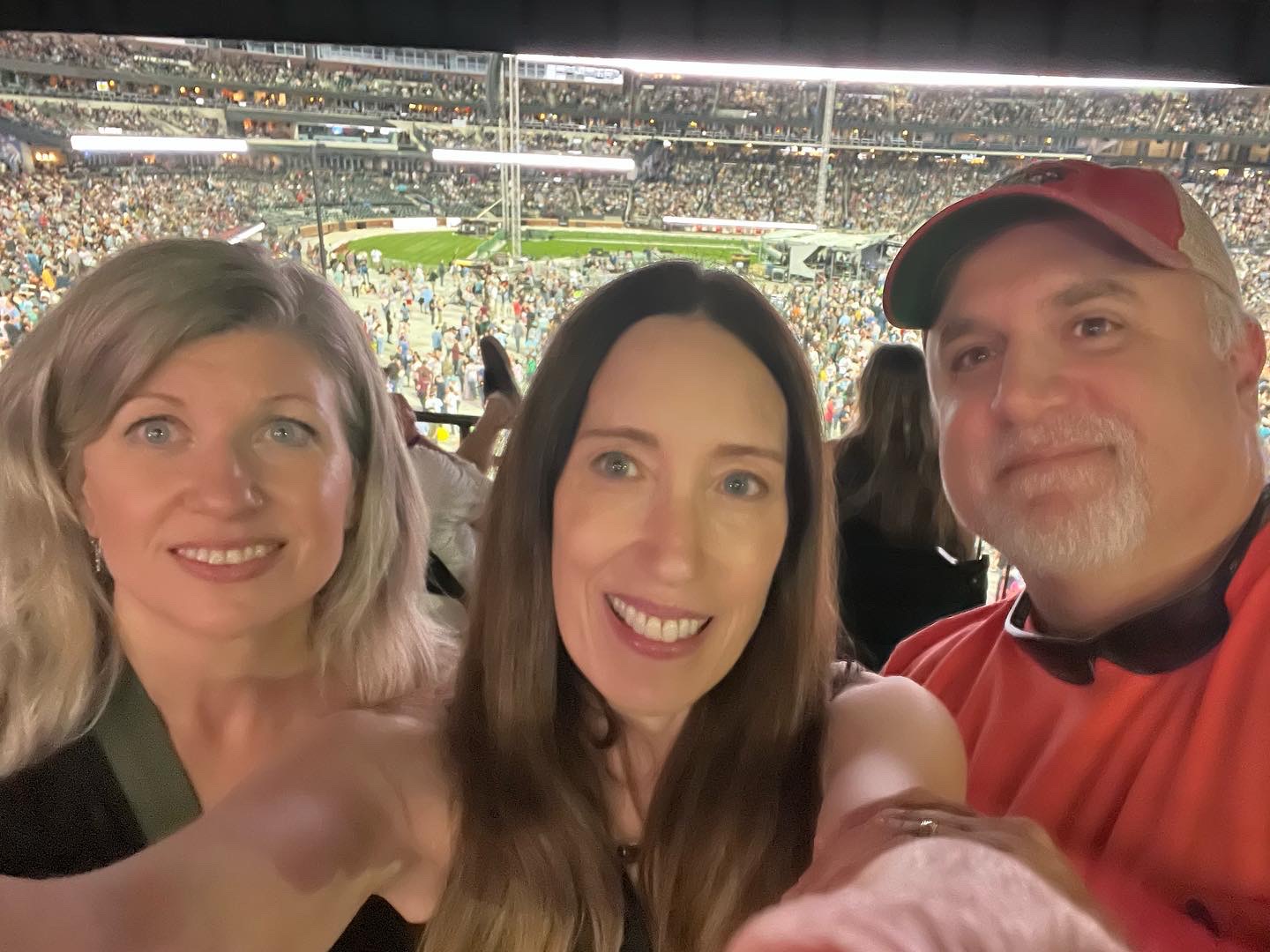
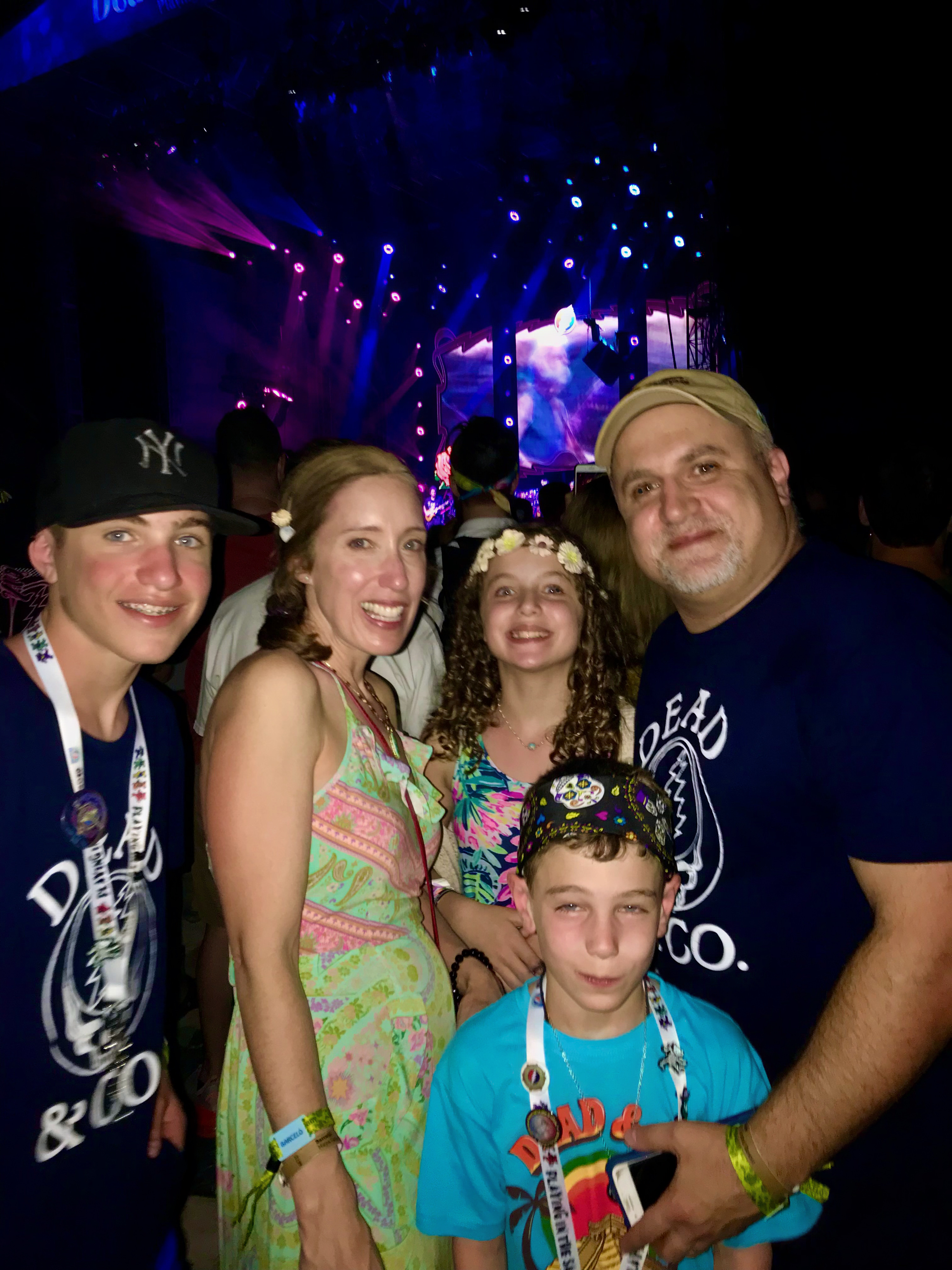
Dead & Company, Playing in the Sand 2019 “Hell in a Bucket”
Dead & Company, Playing in the Sand January 2019 “One More Saturday Night”
Dead & Company at Citi Field, 6/22/2023
Bob Weir and Wolf Bros at The Capitol Theatre, 11/10/2018 “Friend of the Devil”
Dead & Company, Playing in the Sand, 2/15/2018 “Cassidy”
Dead & Company, MSG, 11/12/2017 “Terrapin Station”
Bob Weir and Wolf Bros with Warren Haynes, The Capitol Theatre, 11/10/2018 “The Other One”
Bob Weir and Wolf Bros with Rick Mitarotonda, The Capitol Theater, 2/12/2023 “Peggy-O”
Dead & Company, Citi Field 6/24/2017 “Scarlet Begonias”
Dead & Company, Citi Field 6/23/2019 “Sampson and Delilah”

← Back

Thank you for your response. ✨

Warning
Warning
Warning
Warning.

Leave a comment

.

One-Time
Monthly
Yearly

Tip Jar

Make a monthly donation

Make a yearly donation

Choose an amount

$1.00
$2.00
$5.00
$5.00
$15.00
$100.00
$5.00
$15.00
$100.00

Or enter a custom amount

$

Your contribution is appreciated.

Your contribution is appreciated.

Your contribution is appreciated.

DonateDonate monthlyDonate yearly
Only the Lonely

An off-topic exploration of loneliness and solitude

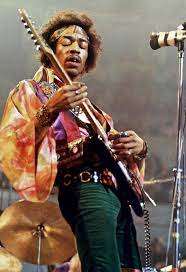
Jimi Hendrix

Jimi Hendrix sang how it’s “such a drag.”  Sylvia Plath wrote, “It comes from a vague core of the self.” Both artists explored themes of loneliness in their work, but if loneliness is a universal emotion, why does it persist and impoverish us of human connection, and what can we do to help ourselves and others circumvent this sense of isolation?

Sylvia Plath

Loneliness has long been a theme explored by writers, thinkers and numerous artists throughout history. Virginia Woolf often explored the confines of loneliness and its connection to creativity. Creativity does not necessitate aloneness; certainly, there are creative processes that benefit from collaboration. There are times, though, when being alone is not related to forced separation, inner pain or desolation. On the contrary, it is a time to reflect and renew. The poet Marianne Moore offers a distinction in an essay where she writes, “The cure for loneliness is solitude.” This is a quote that resonates with me because I often choose to be alone for a variety of reasons; most often it is to write, although, when I’m writing, I’m generally in the company of dogs because my two four-legged friends, whose very existence rose from their ancestral pack structure, know nothing about personal space or boundaries.  There have been times, however, when my solitude has been overcome by anguish and distress, which was driven by either a sense of loneliness or loss.

Virginia Woolf

 More recently, I endured a bout of lonely torment that was inconsolable and inescapable.  It was a lie-in-bed and cry myself to sleep temporary state of melancholy that has been an occasional hindrance since the pandemic.  I don’t want to cast a direct cause-and-effect line into the extended isolation that I, like so many, experienced during the lockdown with my family of five, but I can unequivocally say that it forever changed the dynamics of some of my local friendships and had damaging academic and social/emotional effects for my children.

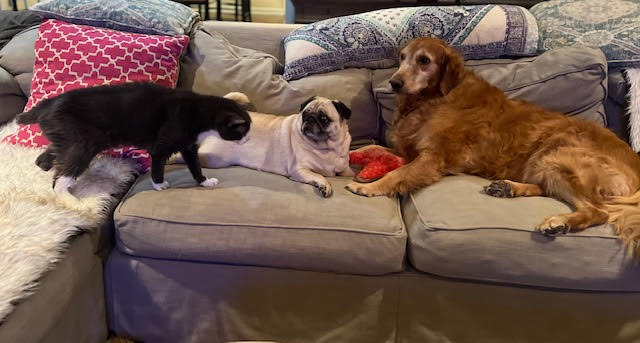
My four-legged family members.

In recent years the media has given more attention to the often misunderstood and subjective emotion of loneliness. Alarms have been sounded, and the World Health Organization (WHO) has declared loneliness as a global health threat. The American Psychiatric Association reports that 25% of Americans are lonelier today than they were prior to the pandemic and that it has disproportionately affected younger people between the ages of 15-24.

Loneliness, while its underlying causes may greatly differ from person to person, does not come without potentially serious health risks. Last year the U.S. surgeon general warned that it was as deadly as smoking up to 15 cigarettes a day and defined it as the latest public health epidemic. To be blunt, reports reveal that loneliness increases premature death by 30% and increases the risk of dementia among older adults by 50%. While I’m not sure how much of this can be directly attributed to the pandemic, we do know that technology has played a role in increasing levels of loneliness. One study showed that individuals who used social media for more than two hours each day were twice as likely to report feelings of social isolation compared to those who used social media for less than 30 minutes per day.  We might not all agree on the purported risks of social media, but I think we can concur that the conditions of isolation due to the pandemic exacerbated an already troubled social fabric that has been eroded by division, distrust and lack of community.

Marianne Moore

With the impending election, I’ve been thinking more about these social obstacles lately. I’m guessing it’s a safe assumption to say that we’re all feeling the ripples of anxiety. There’s been no shortage of environmental calamity or international unrest to fray the nerves and cause us to further disconnect. The infrastructure of our society is being tested by so many forces. With our institutions and our ideas about who we are as a nation being challenged, we are at an inflection point. How we approach this new chapter will become part of our collective story. Do we continue with the rigid thinking and tribalism that has engendered this Achilles’ heel and threatens the unique and cooperative principles of our society? Or can we recognize our similarities, agree on basic moral imperatives and find purpose in our species by making meaningful connections with our fellow beings? It may sound off topic and hokey, but I think it brings us full circle. Humans are by nature social beings, which consequently has allowed us to survive and flourish for thousands of generations. Modern civilization didn’t bring us to where we are today by accident or by withdrawing from one another. Rather, it was social interaction and cooperation that set us on this path. Interestingly, research tells us that face-to-face interactions play a putative role in prosocial behavior and that the phenomenon known as cardiac physiological synchrony, when individuals’ heartrates synchronize, should tell us a lot about the universal experience of being human. I find this pretty fascinating because a favorite pass time of mine has been attending live music concerts, and I’ve told friends that this is one of the places where I feel happiest and at most peace—when I’m among my fellow concertgoers and singing along with a favorite band or artist. Now I think part of that shared joy may derive from our oneness; perhaps even a collective heartbeat that intrinsically links us in that moment.  

Charles Bukowski

Despite the upheaval and uncertainty that surrounds us, we know we need each other, and while I can’t say if the writer Charles Bukowski said it best, I can appreciate the ambiguity of this quote from his 1971 autobiographical novel Post Office, “Being alone never felt right. Sometimes it felt good, but it never felt right.”

If you or someone you know is experiencing persistent loneliness and need help, please consider reaching out to friends, family, a community-based group, therapist or counselor.

https://www.nyc.gov/site/doh/health/health-topics/loneliness.page

One-Time
Monthly
Yearly

tip jar

Make a monthly donation

Make a yearly donation

Choose an amount

$1.00
$5.00
$10.00
$5.00
$15.00
$100.00
$5.00
$15.00
$100.00

Or enter a custom amount

$

Your contribution is appreciated.

Your contribution is appreciated.

Your contribution is appreciated.

DonateDonate monthlyDonate yearly
Only the Lonely by Roy Orbison

Leave a comment